
Watches
What is the Meaning of GMT in Rolex Watches?

Aug
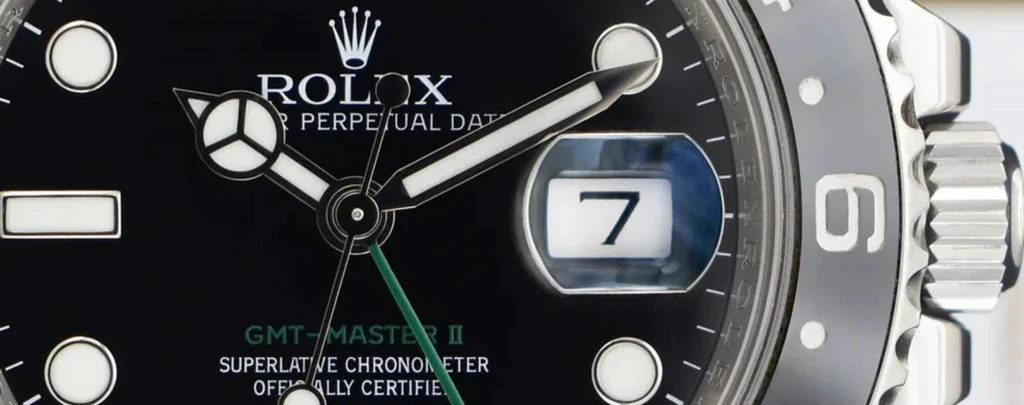
Introduction to GMT and Rolex Watches
What does GMT stand for? It signifies Greenwich Mean Time, a global standard referencing all international time zones. The historical concept originally helped maritime sailors navigate the open seas safely. Later, aviation pioneers adopted this framework to standardize tracking across multiple regions.
Understanding the gmt meaning is crucial for luxury watch enthusiasts. Rolex famously utilized this precise system to assist commercial airline pilots during long flights. It answers the fundamental question of what does gmt mean in practical, daily application.
A specialized dual-time watch includes a dedicated rotating hand to track a secondary zone. This helpful feature allows travelers to monitor two locations simultaneously on a single dial. It perfectly combines precision engineering with useful, everyday aviation function.
This smart integration completely sets the premier Swiss watchmaker apart from its traditional competitors. Beyond utility, tracking international zones adds an adventurous aesthetic character to the piece. It explains what is gmt watch popularity among modern frequent flyers.
Rolex Market Value Tracker
Live Index & Secondary Market Price Matrix
| Reference | Collection | Material | Est. Market Price | 24h Trend |
|---|
We offer the absolute best market prices. Call us right now to discover our current inventory pricing!
Call Now for Best Pricing: +1 (212) 730-5959The Evolution of Rolex GMT Watches
The Swiss manufacturer’s commitment to creating functional travel timepieces remains completely evident across its dual-time models. Over the decades, engineers continuously refined these references to enhance their mechanical accuracy and durability. The original 1950s launch firmly established the fundamental gmt meaning within modern luxury watchmaking.
Understanding this evolution helps clarify what is gmt watch heritage to serious luxury buyers. The earliest aviation references utilized an innovative rotating bezel to track primary transatlantic flight paths. Decades later, advanced independent movements updated what does gmt mean by allowing tracking of three independent zones.
Today, this specific dual-time architecture remains a cornerstone of the brand’s global sports watch catalog. Modern updates feature scratchproof ceramic components and significantly extended power reserves. Discovering what does gmt stand for in watchmaking reveals a legacy built entirely on serving international travelers.
Understanding GMT in General Terms
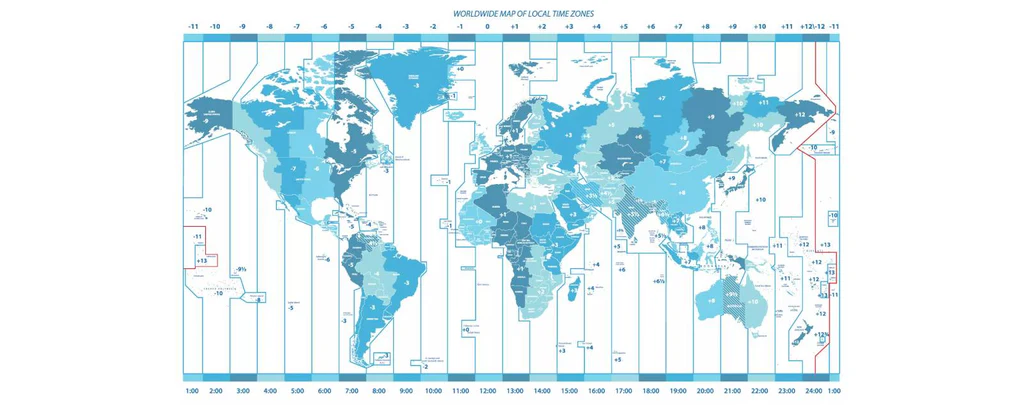
To fully appreciate what does gmt stand for, you must explore its historical definition. The acronym represents Greenwich Mean Time, tracking the exact solar position at the Royal Observatory in Greenwich, London.
The concept emerged during the 19th century as expanding global trade required a unified time standard. Before its official adoption, local towns set clocks using the sun, causing massive regional scheduling errors. Establishing this fixed baseline successfully synchronized international communication and maritime navigation across different continents.
For luxury watch owners, the feature provides the unique ability to monitor multiple zones at once. A secondary hand sweeps the dial completely once every 24 hours to track your home reference point. This specialized mechanical layout serves as an ideal tool for modern travelers managing a busy international schedule.
Defining GMT and Its Relevance to Watchmaking
Monitoring multiple time zones simultaneously remains a crucial necessity when evaluating high-end mechanical wristwatches. This useful function serves as far more than a simple travel accessory for jet-setting vacationers. It functions as an essential, life-saving tool for professional aviators navigating complex international flight paths daily.
Historically, tracking global reference points became an ultimate hallmark of precision engineering across the entire Swiss horology industry. Leading manufacturers like Rolex seamlessly integrated this advanced dual-time capability into their standard steel sports lines.
Doing so successfully elevated standard mechanical timepieces into highly dependable navigational instruments built for global communication.
Today, collectors deeply prize these specialized complications for their incredible utility and rugged, adventurous aesthetic character. The capability perfectly bridges the gap between historical aviation heritage and modern, practical daily lifestyle tracking.
Investing in a dual-time model ensures you stay accurately connected to home coordinates from any location worldwide.
What Does GMT Stand For?
When evaluating premium luxury timepieces, understanding what does gmt stand for is completely essential for buyers. The abbreviation represents Greenwich Mean Time, originating from the Royal Observatory in London.
This historical framework establishes the exact baseline for synchronizing international time zones around the globe. In modern horology, the term dictates a complication displaying two independent zones simultaneously.
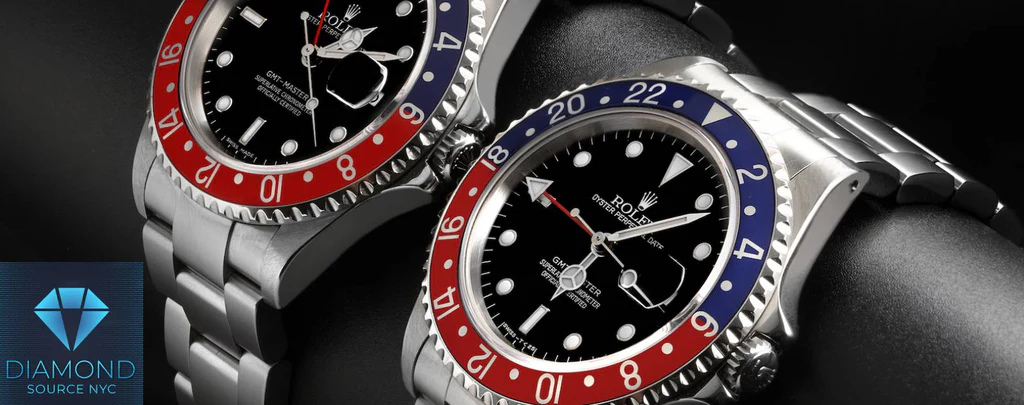
The Swiss manufacturer originally engineered this dual-time architecture to serve commercial aviation pilots crossing the Atlantic. The specialized mechanism utilizes a unique fourth hand that rotates around the dial once every 24 hours.
Wearers rotate the external bezel to align this specialized hand with their primary home coordinate time. This allows global travelers to monitor home and local destination hours seamlessly at a glance.
This advanced dual-time integration marked a revolutionary milestone for mid-20th-century aviation and maritime communication. Over the decades, the complication expanded from a practical pilot tool into a true symbol of mechanical sophistication.
Today, these references reflect a deep commitment to precision engineering and rugged utility. They remain highly prized by modern collectors who value timeless historical heritage and active global lifestyle tracking.

What Is a GMT Watch?
A GMT watch is a specialized travel timepiece is designed explicitly to track multiple time zones simultaneously. This mechanical capability makes it highly useful for international pilots, corporate professionals, and frequent flyers.
The primary feature distinguishing these models from standard wristwatches is dual-time zone monitoring. This is achieved by adding a distinct, independent fourth hand to the dial configuration. This secondary indicator rotates completely once every 24 hours, pointing directly to a dedicated outer bezel scale. This clever layout allows you to view home hours and local destination times simultaneously at a glance.
How GMT Watches Work and Their Appeal
The core purpose of a dual-time timepiece is monitoring two separate geographical locations simultaneously. This unique layout remains incredibly useful for corporate executives managing global projects or taking international conference calls. By simply adjusting the specialized 24-hour indicator, wearers can track distinct time zones without losing local accuracy.
Rolex originally developed its iconic dual-time framework specifically to assist Pan Am pilots during transatlantic flights. This historical reference was among the earliest wristwatches to offer global timekeeping functionality in a luxury package.
The watch utilized a bidirectional rotating bezel, allowing aviators to calculate a third independent time zone on the fly. Later structural evolutions refined the movement architecture, giving birth to the incredibly versatile modern sports collections.
While engineered as a practical aviation tool, this mechanical complication has evolved into a massive horological icon. Today, wearing a multi-timezone watch is a powerful statement of mechanical sophistication and personal style.
These robust travel instruments remain highly sought after by global collectors due to their exceptional craftsmanship and resale value.

The History Behind the Rolex GMT-Master
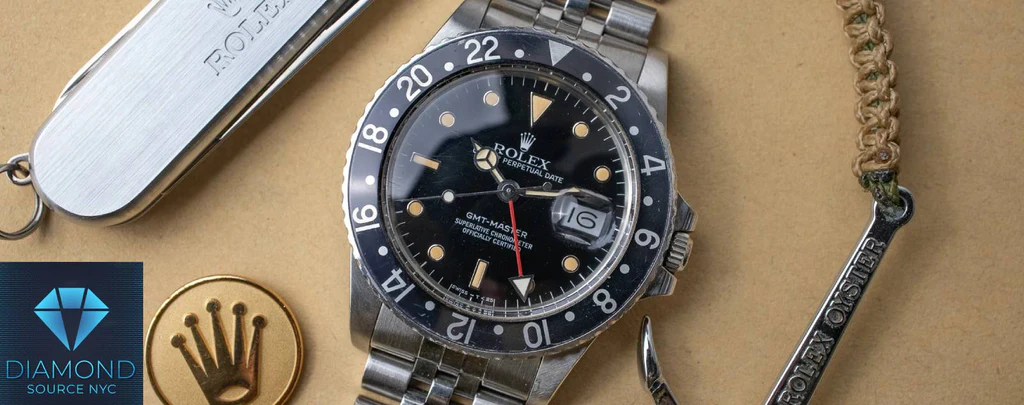
The Rolex GMT-Master is one of the most iconic watches in the world, and its history dates back to the early 1950s. The development of this watch was driven by a need for a timepiece that could display multiple time zones.
At the time, pilots, especially those working for international airlines, needed a way to keep track of time in different parts of the world. Rolex responded to this need by designing the GMT-Master, which became the first Rolex watch to feature the GMT complication.
How Pan Am Sparked Rolex’s Most Iconic Aviation Watch
The partnership between Rolex and Pan American World Airways created this iconic dual-time aviation wristwatch. Pan Am needed a precise instrument for pilots navigating multiple international time zones. The resulting watch used a rotating 24-hour bezel to track two zones simultaneously.
The original design featured a black dial and a fourth hand for 24-hour tracking. Later updates introduced better materials and the independent hand of the Master II series. Today, this watch is celebrated as a pinnacle of luxury travel and functional design.
The Key Features of the Rolex GMT-Master II
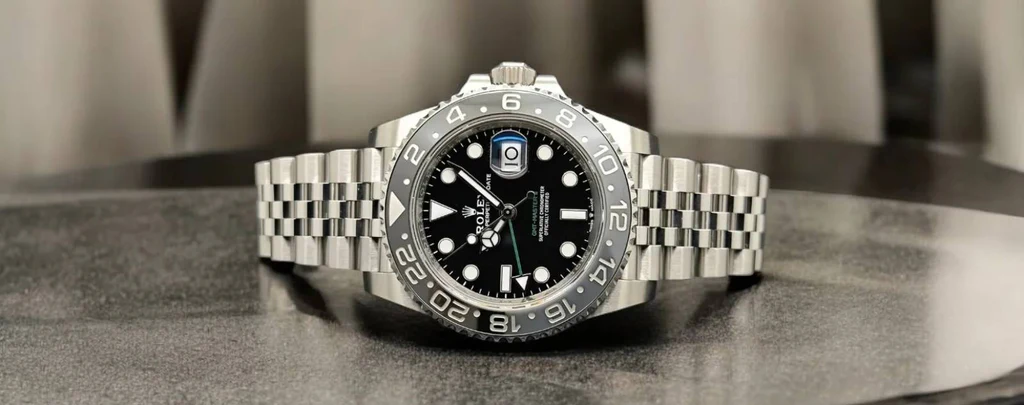
The Rolex GMT-Master II is one of the most recognized and sought-after watches in the world. Building on the success of the original GMT-Master, the GMT-Master II introduced several important updates, making it even more versatile and functional.
The most notable feature of the GMT-Master II is its ability to independently adjust the GMT hand, allowing the wearer to track a third time zone without affecting the local time.
Mastering the Independent Dual-Time Zone Complication
The modern traveler watch series introduced a highly advanced, independent 24-hour hand layout. This mechanical upgrade allows you to adjust your local hours completely separate from the home time indicator.
he original vintage references linked both hands together, making time zone adjustments tedious. Today, this independent architecture provides maximum flexibility for jet-setters jumping between continents.
Furthermore, the brand equips these modern travel instruments with its patented scratchproof Cerachrom ceramic bezel inserts. This high-tech ceramic material prevents fading from ultraviolet light exposure and resists extreme scuffs.
The entire mechanical assembly sits securely inside a robust, highly water-resistant Oyster steel case structure. This guarantees complete protection against environmental moisture, heavy dust, and sudden impacts.
Internally, the current generation relies on the cutting-edge Caliber 3285 automatic movement. This chronometer-certified engine delivers an impressive 70-hour power reserve and unparalleled daily timekeeping accuracy.
The model continues to stand out globally as a true symbol of luxury innovation. It remains one of the most coveted, highly liquid sports assets in modern horology.
The Role of GMT Watches in Modern Travel
In today’s fast-paced, globally connected world, a GMT watch is more than just a timekeeping device; it’s an essential tool for modern travel. Whether you’re flying internationally for business or leisure, a GMT watch helps you navigate the complexities of multiple time zones.
With a GMT function, travelers can easily track the time in their home city while staying on top of the time in their destination. This practical function has made GMT watches, particularly those from Rolex, a favorite among frequent flyers, pilots, and business professionals.
Why Global Travelers Rely on Dual-Time Zone Watches
Monitoring two separate geographical locations simultaneously remains the ultimate advantage for modern international jet-setters. This layout is incredibly useful for business executives managing cross-border projects or coordinating global conference calls.
Keeping your primary home coordinates visible ensures you never accidentally miss crucial family updates or corporate deadlines. Additionally, a bidirectional rotating bezel allows you to track a third independent zone on the fly.
The premier Swiss watchmaker’s multi-timezone collections have become completely synonymous with high-end global travel. These robust sports instruments are engineered explicitly to withstand the intense rigors of long-haul international flights.
The legendary Oyster steel case structure provides absolute protection against cabin pressure shifts and sudden environmental changes. Advanced automatic mechanical movements inside guarantee that your watch keeps running flawlessly across every continent.
Beyond pure utility, these iconic travel pieces deliver immense financial prestige and secondary market liquidation value. Wearing an aviation-heritage timepiece makes a commanding statement of personal achievement and refined aesthetic taste.
The specialized hour function blends seamless mechanical practicality with decades of celebrated luxury lifestyle tradition. Investing in a dual-time model ensures you navigate changing global borders with absolute confidence and style.

Complete Operational Guide for Tracking Three Global Time Zones
Learning to properly operate your multi-timezone timepiece maximizes its advanced aviation capabilities. The mechanical layout is highly intuitive, yet mastering the precise dial settings ensures seamless international tracking.
Rolex sports references provide distinct, reliable methods to adjust timekeeping indicators for separate geographical regions. The specialized 24-hour hand serves as your primary tool for monitoring a secondary location.
To set your home hours, completely unscrew the crown and pull it out to the third position. Rotate the crown to align both the traditional minute hand and the independent 24-hour pointer simultaneously.
This base step establishes your permanent home reference point along the external ceramic scale. It guarantees that you can quickly read your home time using the outer 24-hour markers.
Next, push the winding crown in slightly to the second position to adjust your local hours. This position allows you to jump the main hour hand forward or backward in neat one-hour increments. This adjustment occurs seamlessly without stopping the internal balance wheel or disrupting your precise minute tracking. Set this hand to reflect the actual time at your current destination.
Finally, you can utilize the bidirectional rotating bezel to track a third independent time zone on the fly. Simply turn the ceramic bezel left or right to offset the hour differences for your third location.
Read the corresponding hour where the 24-hour hand points directly to the shifted bezel numbers. Screw the crown down firmly against the steel case to lock in the waterproof seal.

Decoding the Dual-Color Bezel: Scarcity and Triple Time Tracking
The rotating bidirectional outer ring is a defining signature of luxury aviation wristwatches. This ingenious component serves a highly functional purpose while creating an instantly recognizable, bold aesthetic character.
Most crucially, this exterior track allows travelers to monitor a third independent global location simultaneously. This structural innovation transforms a traditional mechanical timepiece into an elite, multi-timezone navigational tool for executive flyers.
The outer ring features crisp 24-hour markers that mirror the sweep of the independent fourth hand. To compute a third zone, wearers simply rotate the exterior track left or right to calculate hour offsets.
For instance, you can seamlessly track local hours, corporate headquarters, and a distant international manufacturing facility. This incredible mechanical versatility eliminates the need to constantly pull out the crown or reset your watch.
Historically, the Swiss manufacture utilized stamped aluminum inserts that developed a beautiful, highly collectible faded patina over time. Modern references upgrade this layout with patented, hyper-durable Cerachrom ceramic inserts diamond-polished to a mirror finish.
This proprietary material is completely impervious to scratches and remains entirely immune to ultraviolet fading. The bold color splits also serve as a practical visual anchor to differentiate daylight hours from night.

Why the Dual-Time Master Remains an Absolute Collector Favorite
The aviation-heritage lineup holds an incredibly prestigious position among alternative asset investors and luxury watch enthusiasts globally. These mechanical pieces represent far more than a reliable timekeeper for your daily schedule.
They function as powerful symbols of personal achievement, elite Swiss craftsmanship, and timeless structural design. Securing one means owning an iconic piece of 20th-century aviation history that consistently retains its financial value.
A major driver of this immense desirability is the brand’s historic partnership with Pan American World Airways. This deep connection to the golden age of flight grants the collection a permanent sense of elite exclusivity.
As global commerce becomes increasingly interconnected, monitoring multiple time zones serves as an essential executive lifestyle requirement. Collectors deeply respect this flawless marriage of legitimate historical utility and modern luxury prestige.
Furthermore, exceptional build quality and mechanical durability solidify these timepieces as highly liquid secondary market assets. The legendary Oyster steel case architecture provides robust protection against shock, deep moisture, and cabin pressure shifts.
Inside, the cutting-edge Caliber 3285 automatic movement ensures unparalleled timekeeping precision and a robust 70-hour power reserve. This extreme resilience makes the watch a perfect heirloom to confidently wear daily and pass down.
